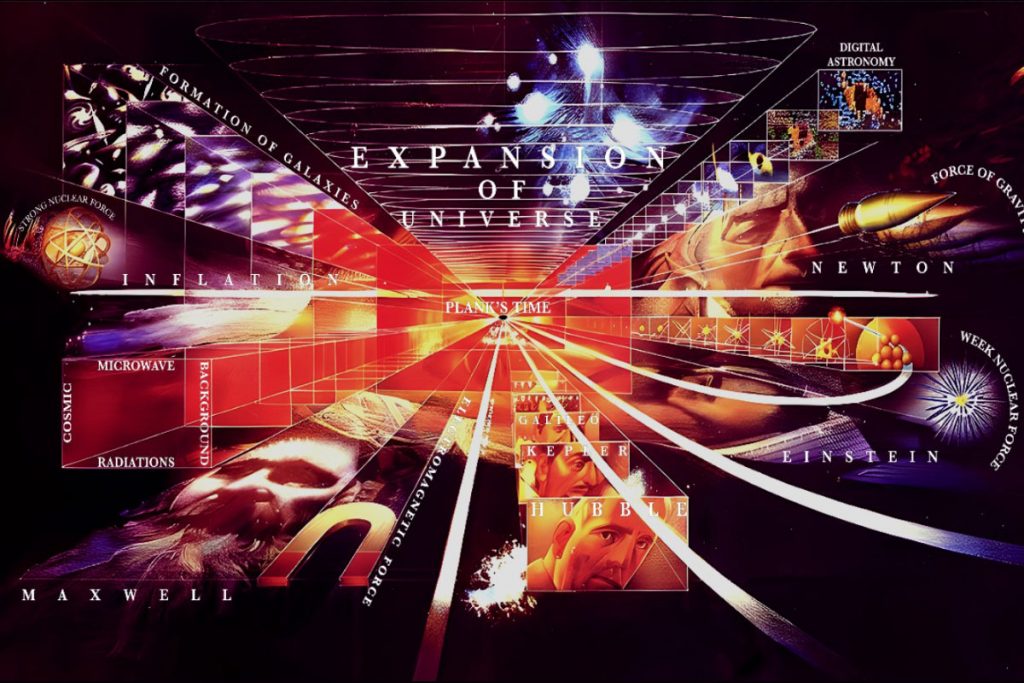
Creation of the Universe
How the Big Bang, Planck time, and cosmic inflation shaped space, time, and the fundamental forces.
Explore Topic
The Space Gallery is an interactive learning space that brings the vastness of the Universe closer to visitors. Established in the Pakistan Museum of Natural History, this gallery turns complex space science concepts into clear, engaging, and visually rich displays.
The gallery covers a broad range of space-science themes, offering visitors simple and accessible explanations of concepts such as the creation of the Universe, celestial objects, the life cycle of stars, variations in weight across different planets, constellations, black holes, Earth’s atmosphere, and space technology applications. Each theme is presented in an engaging and easy-to-understand manner to support meaningful learning for all visitors.
The Space Gallery serves school groups, families, and general visitors by presenting scientific knowledge in a clear and approachable format. This page provides extended explanations of the themes displayed inside the gallery, allowing visitors to revisit and explore the material at their convenience.
Eleven themes drawn directly from the gallery floor.
How the Big Bang, Planck time, and cosmic inflation shaped space, time, and the fundamental forces.
Explore Topic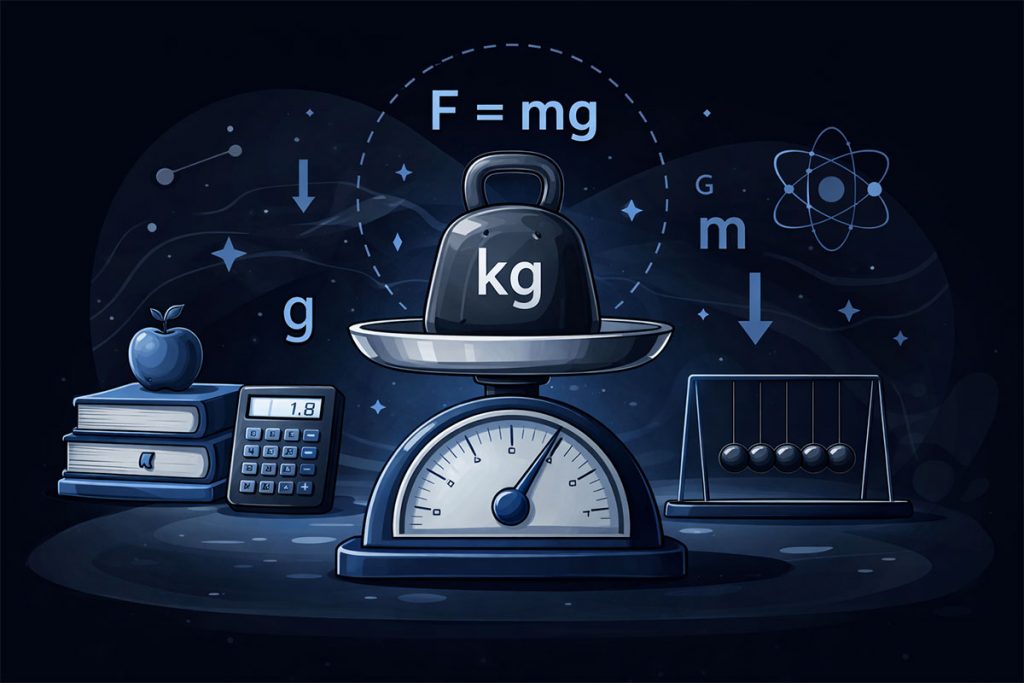
The difference between mass and weight, and how gravity changes what you weigh across the Solar System.
Explore Topic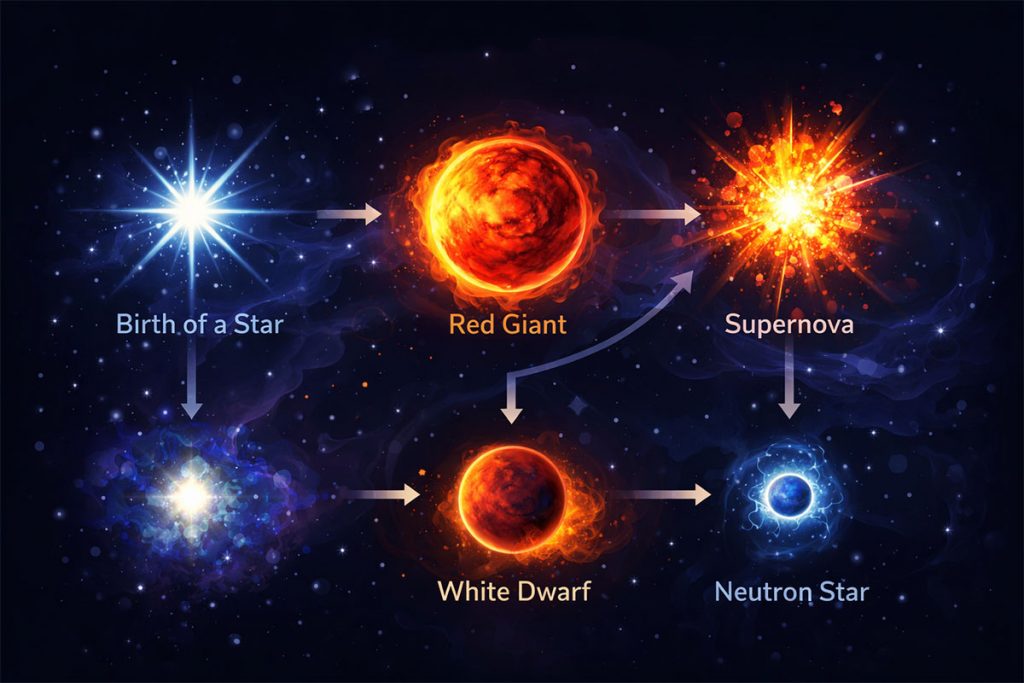
How stars are born in nebulae, live through the main sequence, and end as white dwarfs, neutron stars, or black holes.
Explore Topic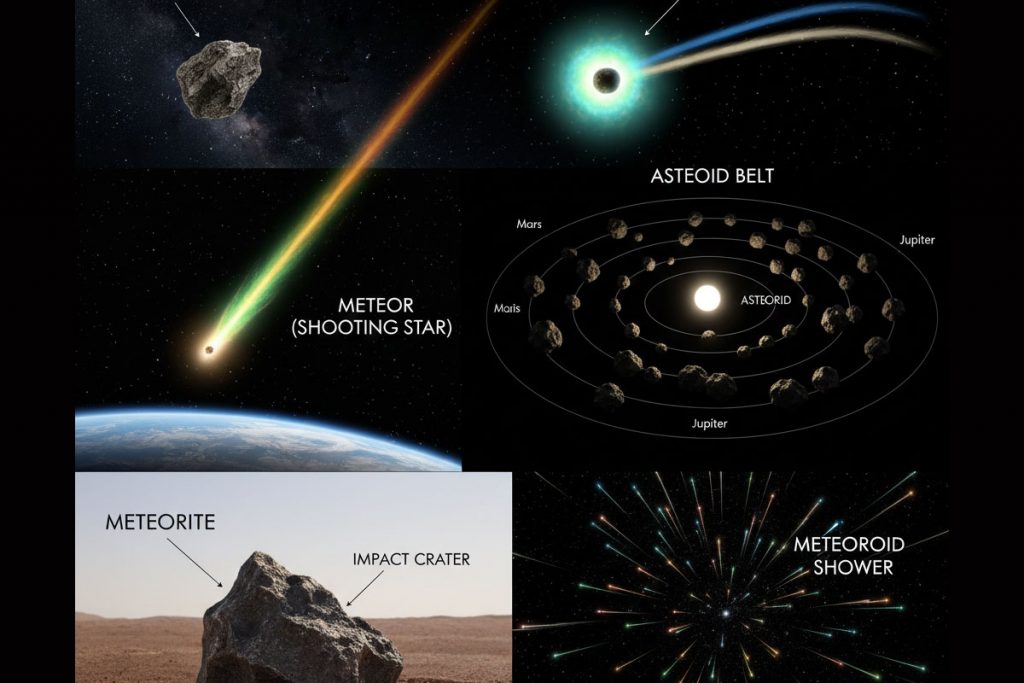
The difference between meteoroids, meteors, meteorites, asteroids, and comets.
Explore Topic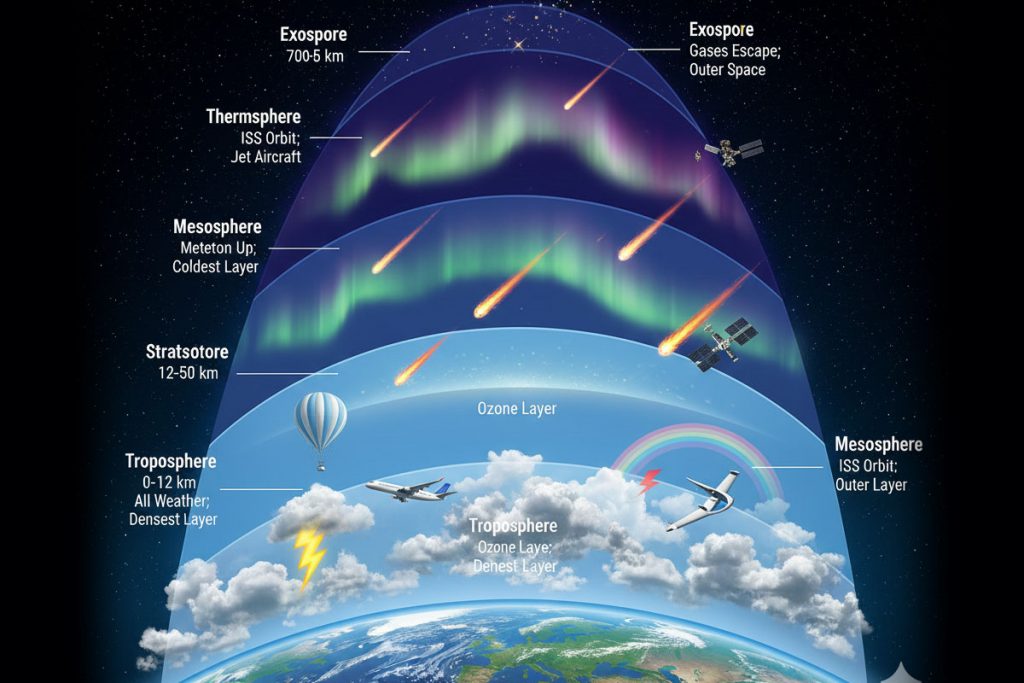
The five layers of Earth’s atmosphere, from the weather-driven troposphere to the fading exosphere.
Explore Topic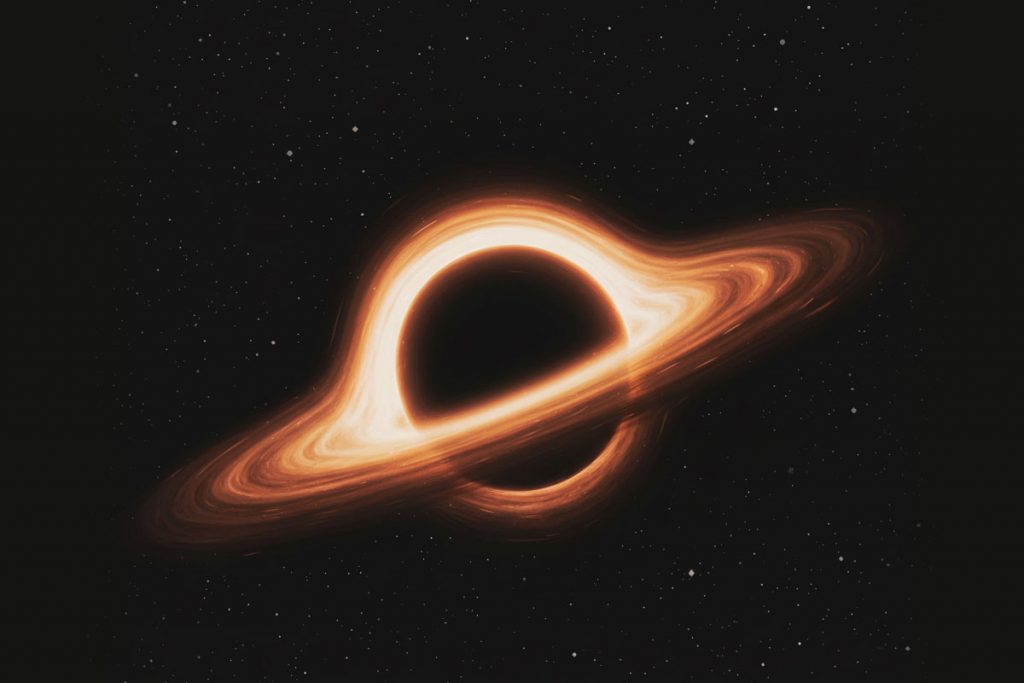
How gravity creates black holes, their singularity and event horizon, and how scientists detect them.
Explore Topic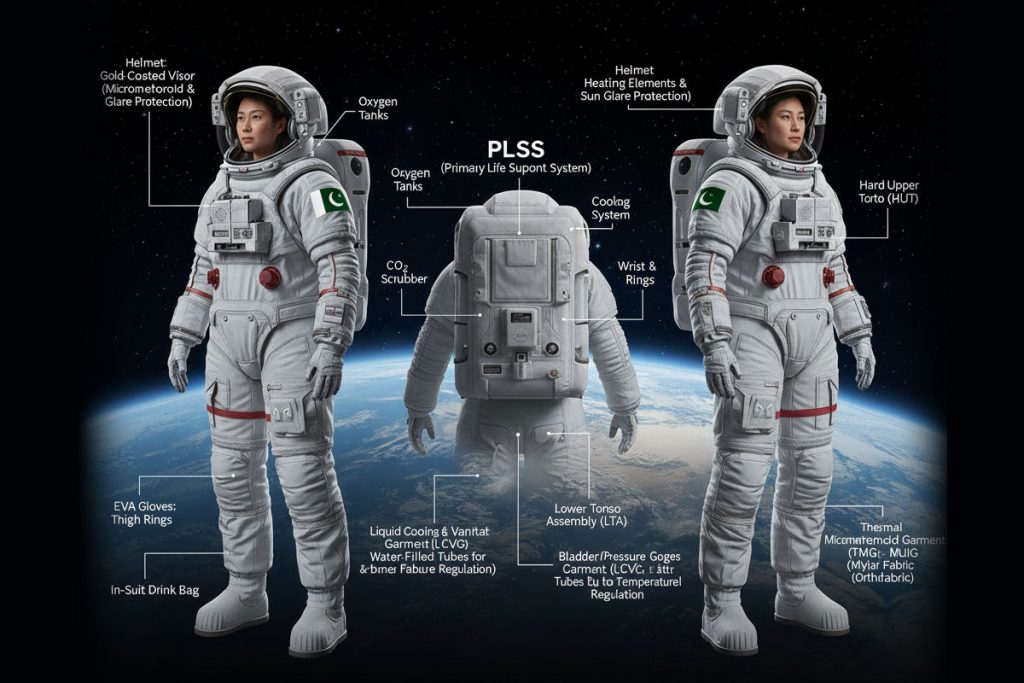
Who astronauts are, how they live and work in space, and the spacesuit that keeps them alive.
Explore Topic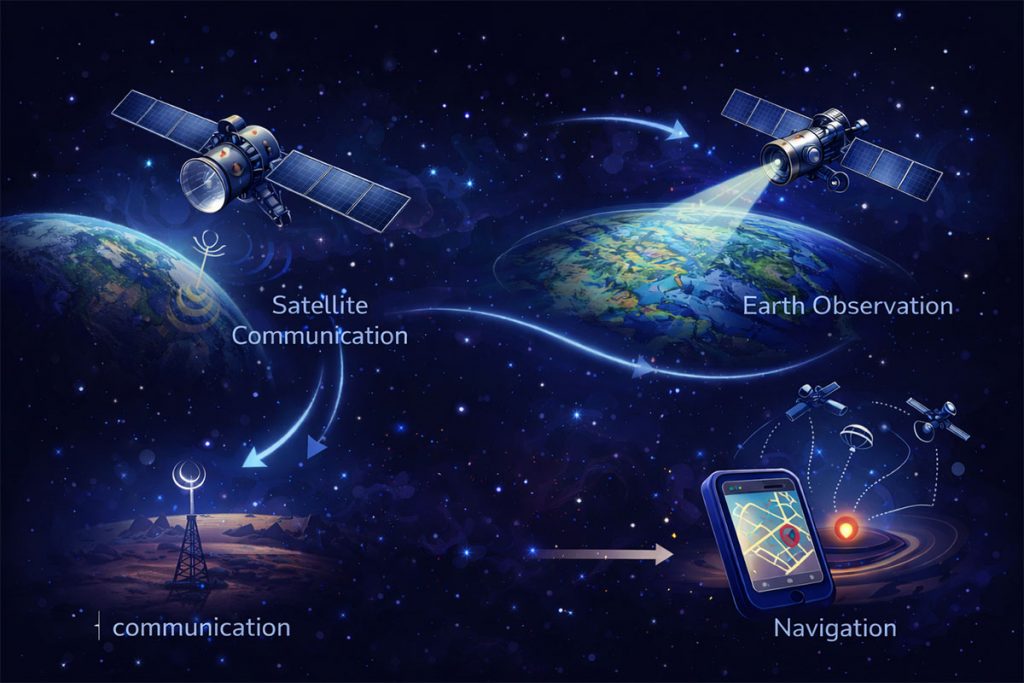
How satellites enable global communication, navigation, and Earth observation in daily life.
Explore Topic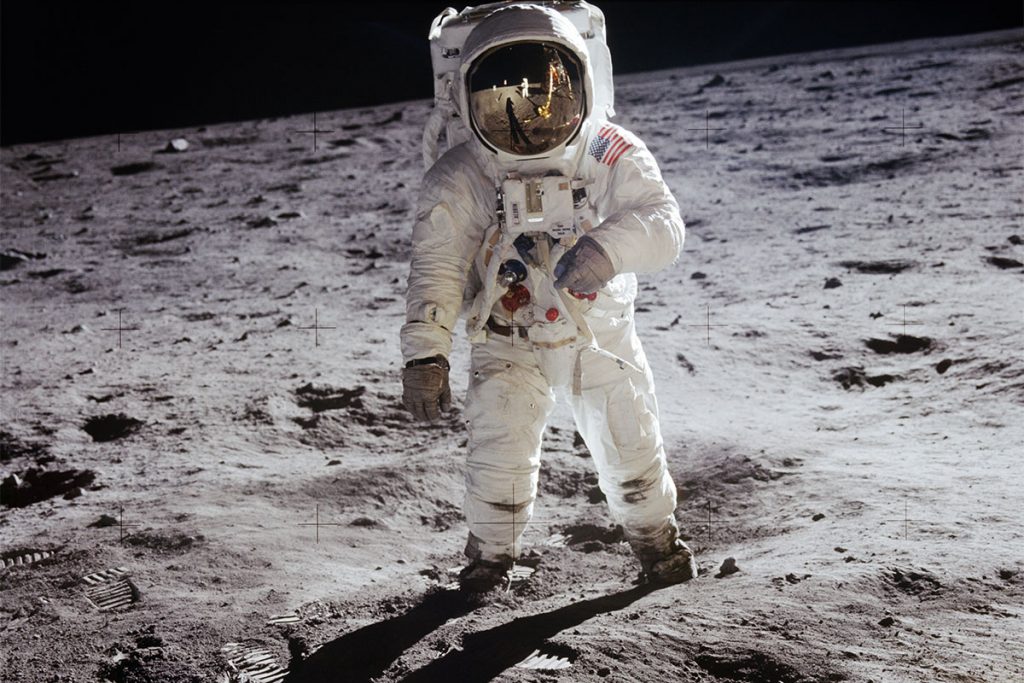
Key milestones in space history, from Sputnik-1 in 1957 to the James Webb Space Telescope.
Explore Topic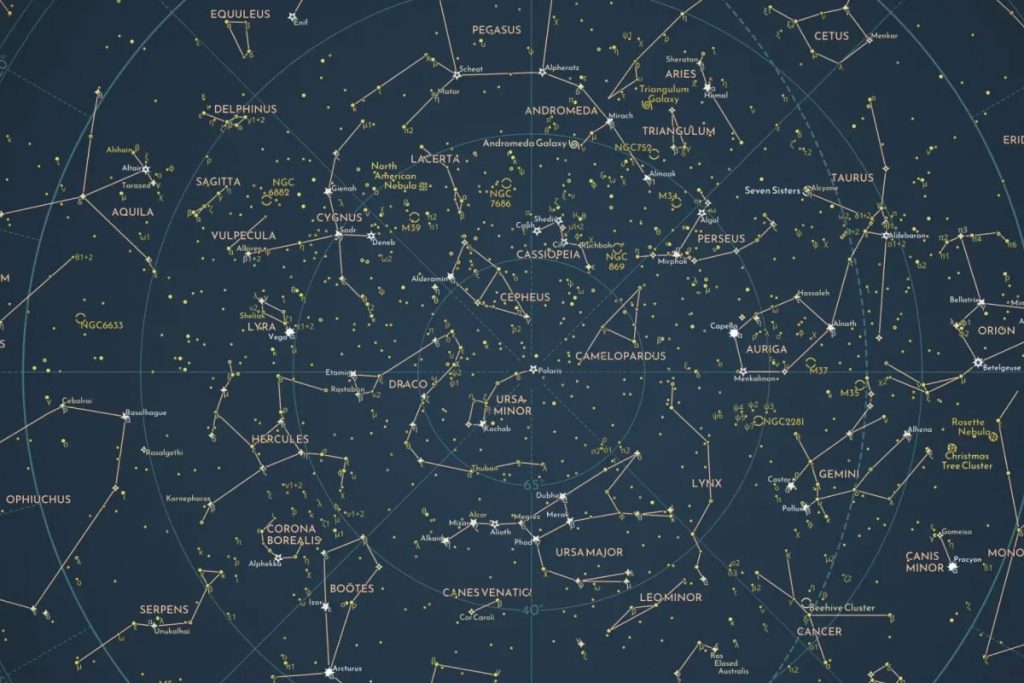
How ancient civilizations mapped the night sky into the 88 constellations recognized today.
Explore Topic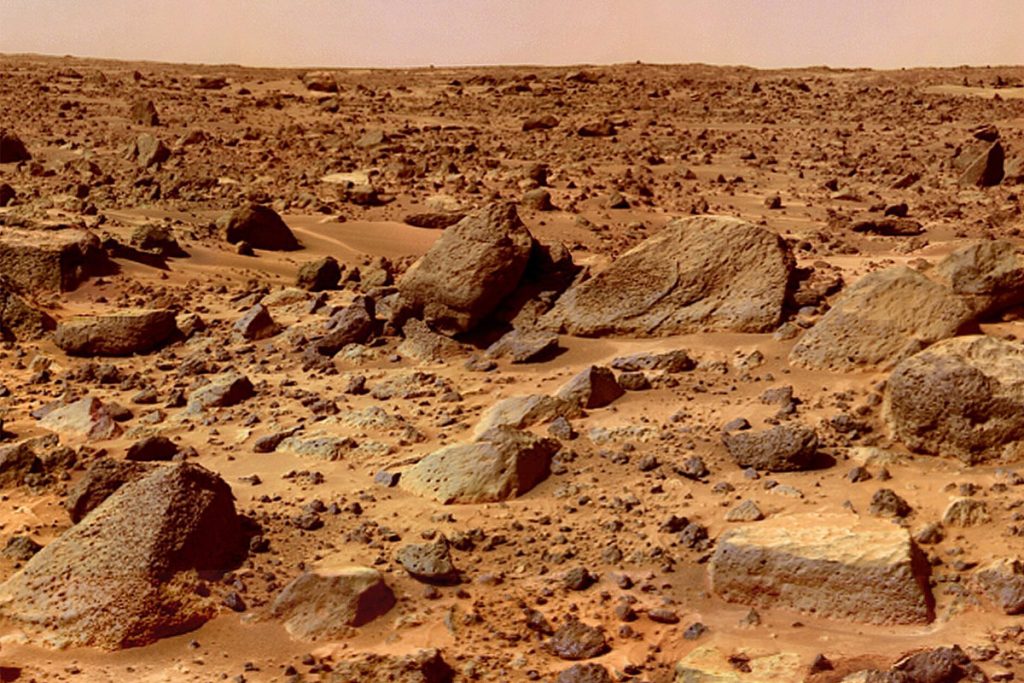
How missions have revealed the surfaces of Mars, Earth, Venus, the Moon, asteroids, and Titan.
Explore Topic