Mass, Weight, and Gravity
We often use the terms mass and weight interchangeably in daily conversation, but in science, they describe two very different and fundamental properties of matter.
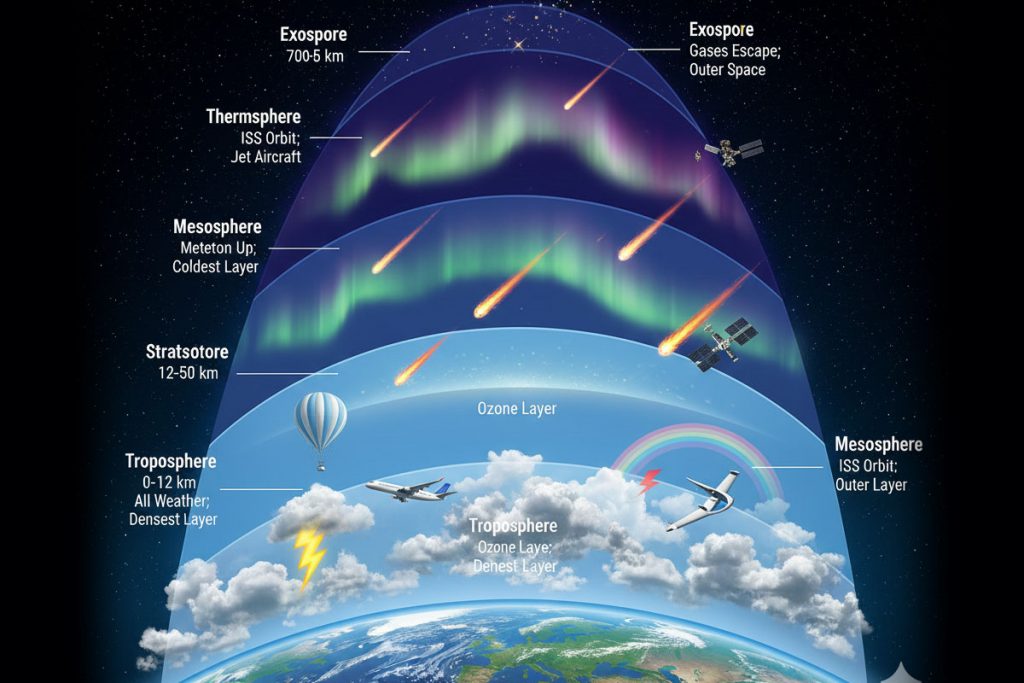
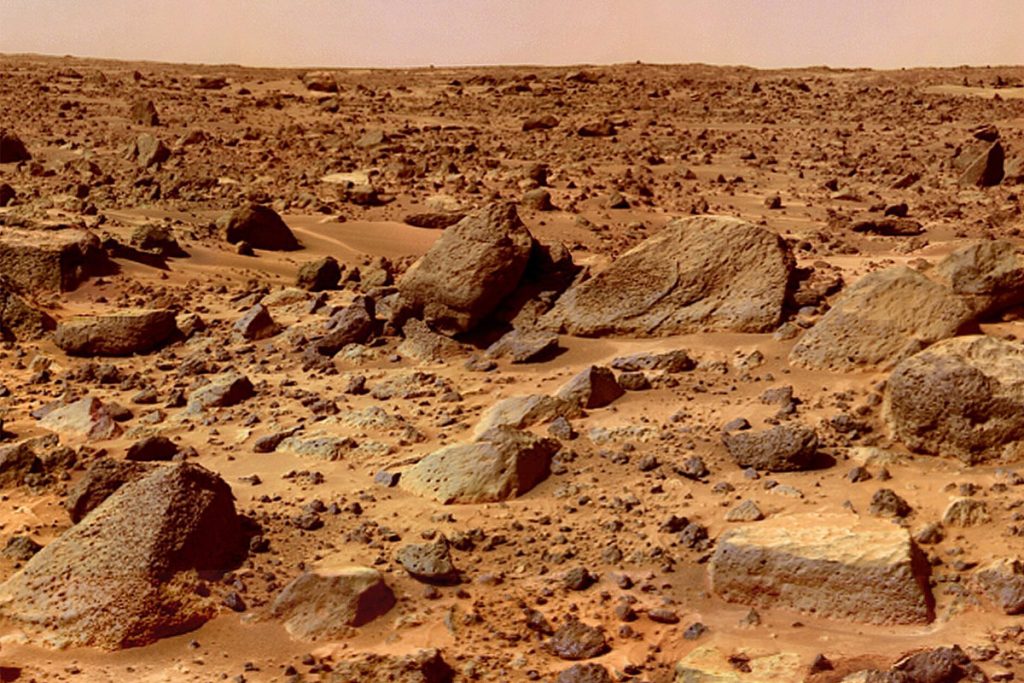
The distinction between mass and weight is rooted in the concept of gravity, the universal force of attraction between any two objects with mass. Understanding this difference is key to exploring space, as an object’s mass remains constant everywhere in the universe, while its weight is entirely dependent on the strength of the gravitational field—like the one found on Earth, the Moon, or Mars.
Mass
Mass is the measure of the amount of substance, or matter, in an object.
- Fundamental Nature: Mass is an intrinsic property. This means it is fixed for a given object, regardless of where that object is in the universe. Whether you are on Earth, the Moon, Mars, or floating in the void of space, your mass remains the same.
- Measurement: Mass is a scalar quantity (it only has magnitude, not direction). It is measured using a balance scale, which compares an unknown mass to a known mass.
- Unit: The standard (SI) unit for mass is the kilogram (kg).
Weight
Weight is a measurement of a force, specifically the force of attraction exerted on an object’s mass.
- Variable Nature: Weight is an extrinsic property. It changes depending on the strength of the gravitational field where the object is located.
- Measurement: Weight is a vector quantity (it has both magnitude and direction, pulling towards the center of the gravitational body). It is measured using a spring scale or a weighing machine, which measures the force required to counteract gravity.
- Unit: Since weight is a force, its standard (SI) unit is the Newton (N).
The Connection: Gravity
The relationship between mass and weight is defined by the acceleration due to gravity. The formula that links them is:
W = mg
- W is the Weight (in Newtons, N).
- m is the Mass (in kilograms, kg).
- g is the acceleration due to gravity.
The value of g is what makes your weight change across the solar system. This difference in the g value is why you would feel much lighter and be able to jump much higher on the Moon.