Human Spaceflight
Astronaut
More than pilots or scientists, astronauts are pioneers who venture into the ultimate frontier—space.
From conducting groundbreaking experiments to repairing satellites, and even building structures thousands of kilometers above our heads, astronauts push the boundaries of what is possible for humankind.
Who Are Astronauts?
- An astronaut (from the Greek words astron “star” and nautes “sailor”) is a person trained, equipped, and deployed by a human spaceflight program to command, pilot, or serve as a crew member of a spacecraft.
- A Unique Breed: Astronauts are a highly selected group, chosen for their intelligence, physical endurance, psychological resilience, and a diverse range of skills. They come from various backgrounds, including military pilots, engineers, scientists, and even medical doctors.
- Rigorous Training: Their training is incredibly demanding, involving years of preparation in simulators, underwater facilities (to simulate microgravity), survival training, and extensive scientific and technical education.
What Do Astronauts Do in Space?
Life aboard a spacecraft, especially the International Space Station (ISS), is a constant whirlwind of activity.
- Scientific Research: Conducting hundreds of unique experiments in microgravity that cannot be done on Earth, from crystal growth to studying how the human body adapts in space.
- Maintenance & Repairs: Maintaining the station’s systems, from life support to power, sometimes requiring challenging spacewalks.
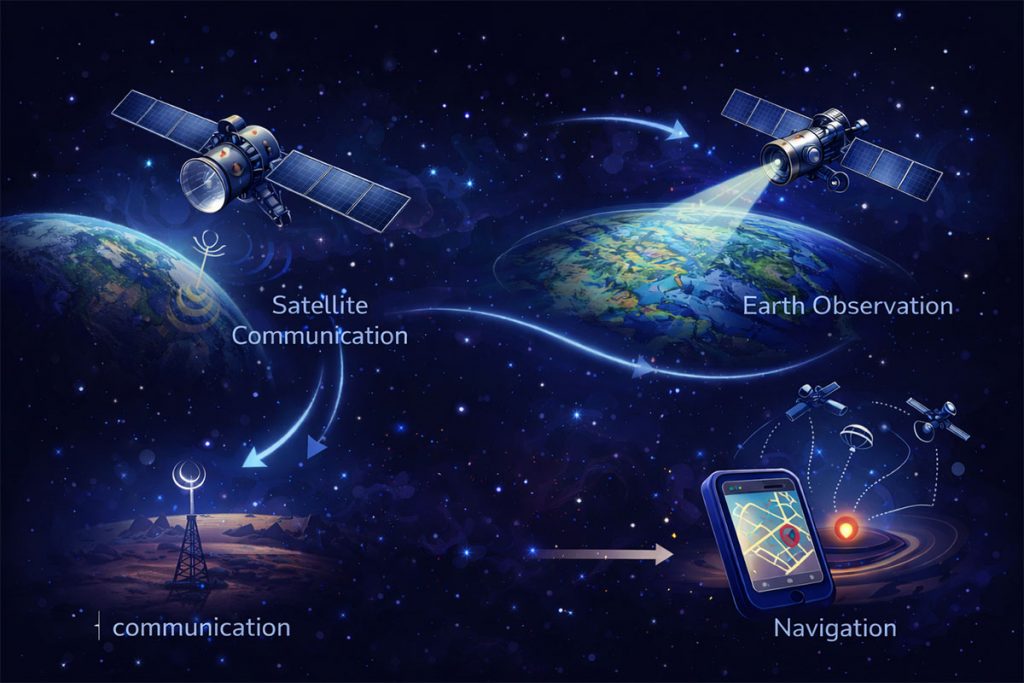
- Earth Observation: Photographing and studying Earth’s atmosphere, landmasses, and oceans, providing data on climate change, deforestation, and natural disasters.
- Spacewalks (EVAs): Venturing outside the spacecraft to perform repairs, install equipment, or conduct experiments — meticulously planned, dangerous, and physically demanding.
How Do Astronauts Live in Space?
Living in microgravity presents unique challenges and fascinating adaptations.
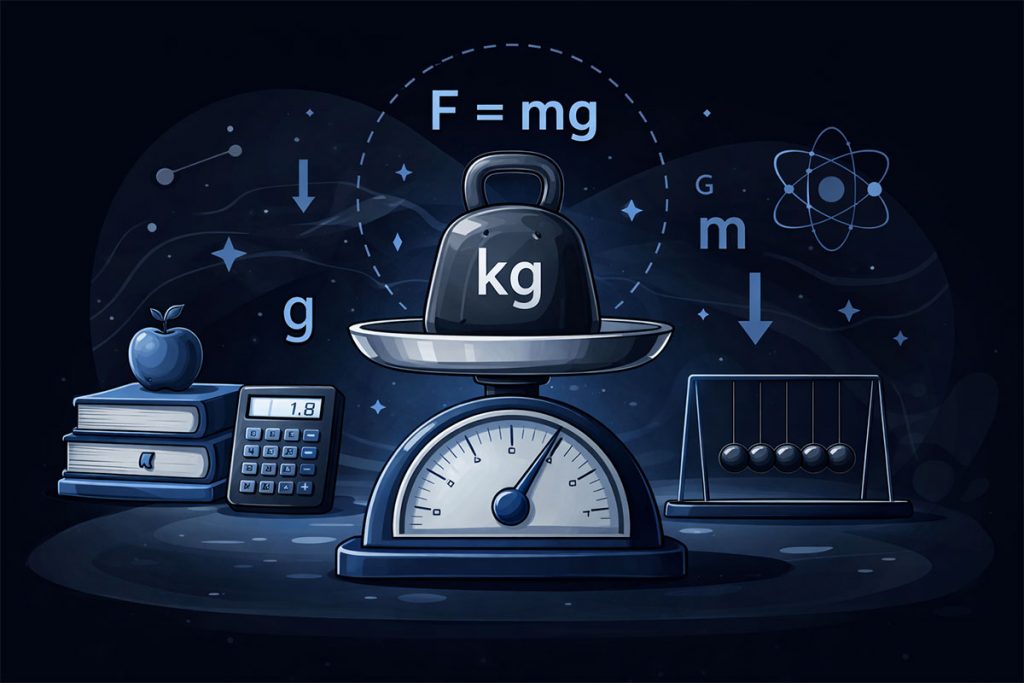
- Weightlessness: Objects (and people) float freely, requiring them to be tethered down or anchored to prevent drifting. This makes even simple tasks like eating or sleeping a coordinated effort.
- Eating & Drinking: Food is specially packaged (dehydrated, thermostabilized, or ready-to-eat) and often consumed with utensils that stick to a magnetic tray. Liquids are drunk through straws from sealed pouches to prevent them from floating away.
- Hygiene: Water is a precious resource, so showers are impractical. Astronauts use wet wipes and rinseless shampoos. Toilets are specialized vacuum systems that suck waste away.
- Exercise: To counteract the severe bone and muscle loss that occurs in microgravity, astronauts exercise intensely for at least two hours a day on treadmills, stationary bikes, and resistance training equipment.
- Psychological Well-being: Isolation, confinement, and the demands of their mission require strong psychological resilience. Support from ground control, communication with family, and recreational activities are vital.
Astronauts sleep in small sleeping bags usually strapped to a wall, as there’s no “up” or “down” in space.
The Spacesuit: An Astronaut’s Personal Spaceship
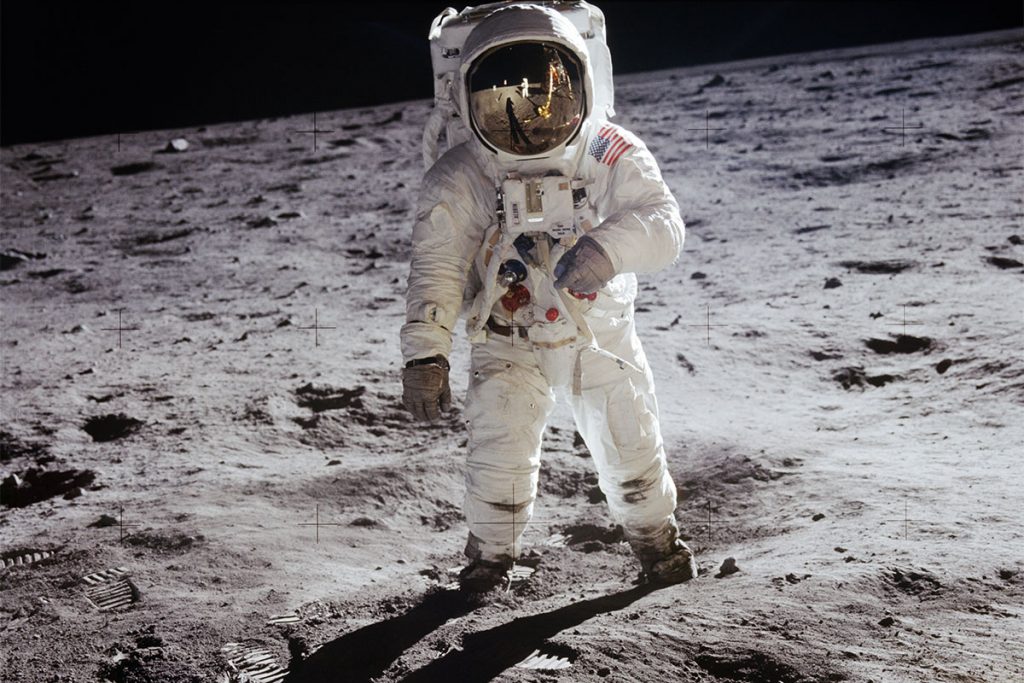
The suit worn by an astronaut isn’t just clothing; it’s a miniaturized spacecraft designed to keep an astronaut alive in the harsh vacuum of space.
- A Multi-Layered Marvel: Modern spacesuits, like the Extravehicular Mobility Unit (EMU) used for spacewalks, consist of multiple layers, each with a specific function.
- Inner Layers: Absorb sweat and provide ventilation.
- Pressure Garment: Provides a stable internal pressure (like a personal balloon) to keep the astronaut’s body fluids from boiling in the vacuum.
- Thermal Micrometeoroid Garment (TMG): The outer, white layers are incredibly tough. They reflect harsh sunlight, protect against extreme temperature swings (from -150°C to +120°C), and guard against tiny, high-speed space debris.
- Life Support System: The backpack (Primary Life Support System – PLSS) is critical. It contains:
- Oxygen for breathing.
- A cooling system to prevent overheating.
- A carbon dioxide removal system.
- Radio communications.
- Mobility & Visibility: Despite their bulky appearance, modern suits are designed for maximum mobility. The helmet includes a gold-coated visor to protect against solar glare, and internal communications allow astronauts to talk to each other and mission control.